In the city of feelings, everything comes with a price tag. Therapists bill by the fifty-minute hour. And if they can’t help, lawyers cost even more.
Some days I vow you could fund a moon mission on the fuel of human drama.

“Darling” isn’t just sweet, it’s a ledger entry. Like wearing statement heels in a complicated economy—beautiful, yes, but you feel every step.
We chase peace like it’s a limited-edition drop: retreats, meditations, pilgrimages with matching luggage. We sprint past our former selves, vaulting expectations, apologizing to mirrors, making sacrifices we can’t afford. We ask the sky for answers, then tip the tarot reader. Demand is bottomless; the promises, increasingly surreal. Somehow everybody’s broke and still paying.
Meanwhile, we’re on a first-name basis with artificial intelligence, but treat each other’s natural intelligence like it requires a concierge. Which only proves what we already know: emotions are advanced tech. In the right hands, they’re elegant; in the wrong, they’re a weapon.
So when someone purrs “darling,” what they might be saying is: I’ve invested in you—time, hope, sleepless nights.
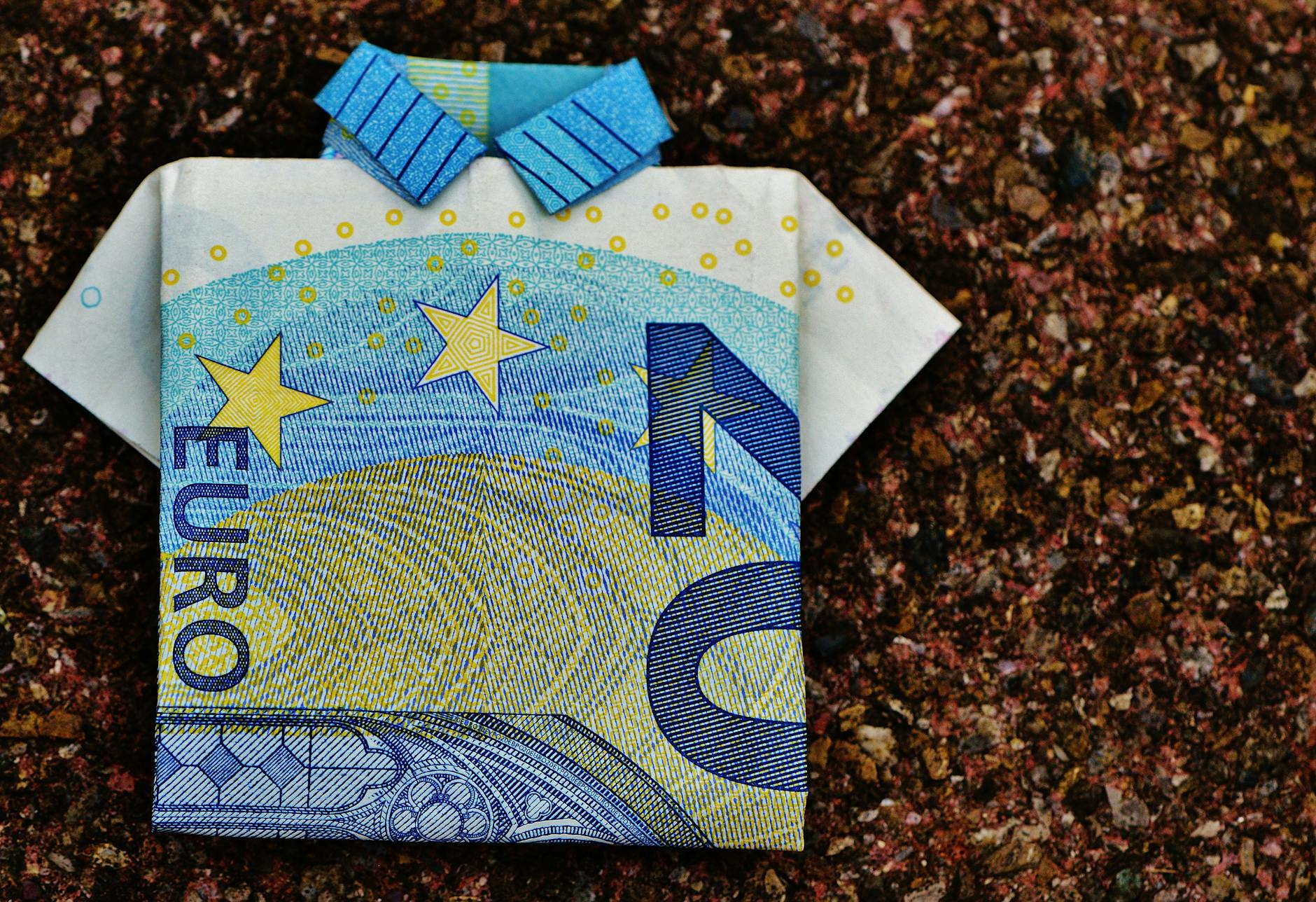
Personally, I’m not buying the business model that profits from someone else’s heart.
As Dostoevsky stated as a title of his book that grief was caused by intelligence. oday, grief feels less like ignorance and more like combustion—hatred, obsession, feelings so fevered they burn away the good. Joy vanishes, memories collapse.
What’s left is ruin:
a vast black square. And like Malevich’s famous canvas, the longer we stare into it, the deeper it gets—an abyss disguised as minimalism.
We swapped prayers for affirmations, and love got folded into five-year plans—OKRs for romance, KPIs for intimacy. But here’s the free secret no guru will invoice you for: live so you can live with yourself. Be awake in your choices. Measure your steps, but don’t overthink the staircase. We get one life, and success built on someone else’s collapse is just another kind of failure.
Pay attention to the people right next to you.
Listen like it matters—because it does. And when it’s your turn, speak so you can be heard. In a market where everything emotional is marked up, presence remains the only luxury that never goes out of style.
 Kate Movergan